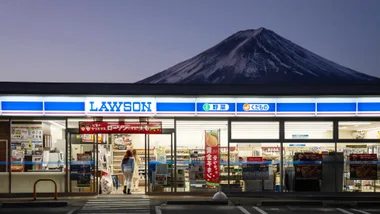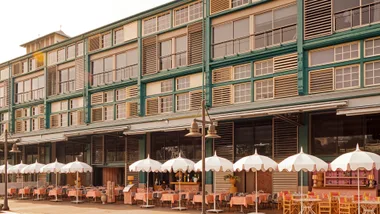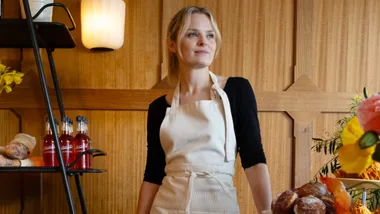


Japan has constants you’ll find everywhere, from ramen stalls to the grab-and-go joys of convenience stores. Then there are specific places that are worth seeking out for a one-of-a-kind experience. Here, well-travelled visitors to Japan share the locations they keep returning to – and where they’d like to go next.
Tokyo
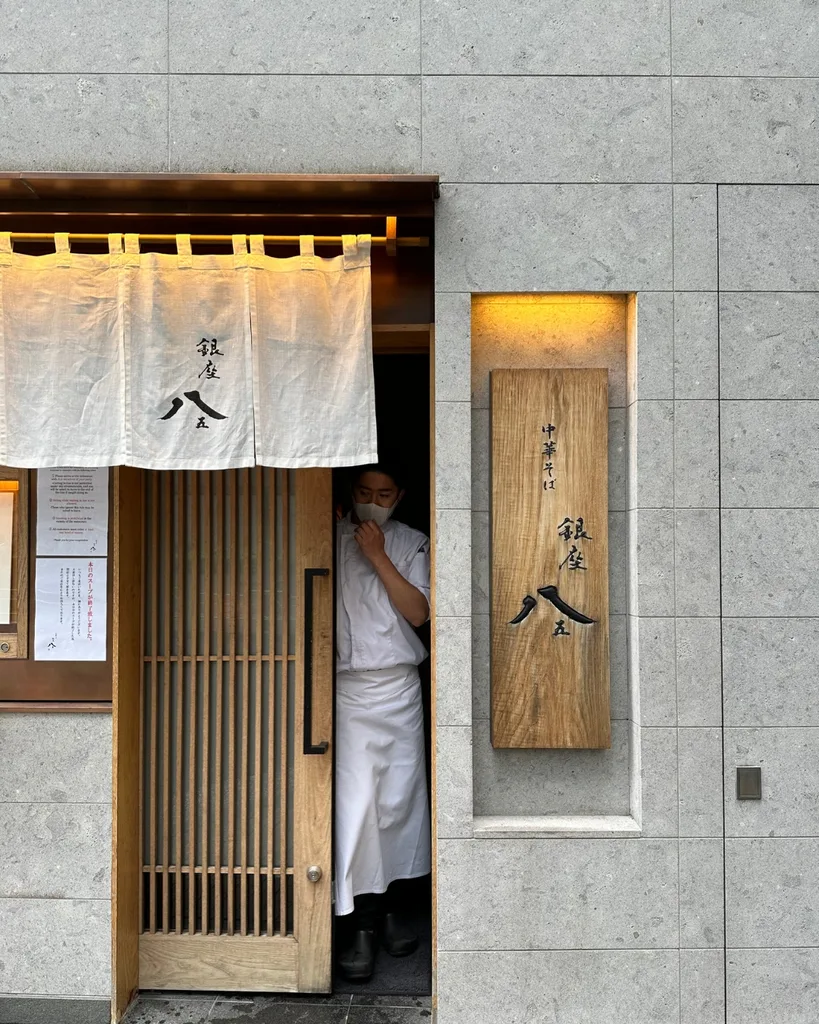
“Tokyo is essential for immersion into the restaurant and culinary scene,” says Caryn Ng, who has been to Japan 14 times and written books about its food culture, including A Day in Tokyo. Isetan department store’s food hall is a compulsory visit: its Shinjuku flagship offers everything from sushi to exquisite Japanese sweets. Another essential Tokyo activity? Slurping ramen. “I’ve had some truly good ones in nondescript ramen shops, but the finesse of Ginza Hachigou lingers in my mind.”
Koichi Minamishima, sushi master behind Melbourne’s Minamishima restaurant, recommends the Kichijoji neighbourhood for ramen and “other places that still retain their traditional atmosphere”. Nearby is his favourite sushi restaurant, Sushi Marufuku.
Yu Ozone runs Sydney’s Comeco Foods, a vegan and gluten-free café shaped by her allergies. Travelling through Japan with dietary restrictions is tricky: many Japanese staples, from tempura batter to soy sauce, contain gluten. But for anyone dodging wheat, Tokyo “tends to offer more variety” than other cities. She’s created an Instagram account, @japanglutenfreeguide and her Tokyo picks include Esoragoto Udon, “a cosy spot that offers delicious gluten-free udon made from rice flour … paired beautifully with their dashi broth”.
Tokyo is also famous for its cocktail scene. Jac Landmark from Perth’s Bar Love interned at Bar High Five in 2023 and spent off-duty hours at “incredible” venues recognised by The World’s 50 Best Bars list (The SG Club, The Bellwood), but the “most memorable” joints were random places they stumbled by, like Champion Bar. So what’s their number one spot? Their old workplace. “I miss Bar High Five with all my heart, I’d fly there right now if I could. [Owner] Ueno Hidetsugu is a master of his craft,” they say. “Other bars I’d love to go back and see are Tokyo Confidential and Bar Benfiddich.”
Former Tokyo resident Kantaro Okada prefers bar-hopping within one neighbourhood. “I go to Sangenjaya. There’s an area called Sankaku Chitai,” he says. Here, he sips sake and orders grilled fish and snacks from small bars just footsteps apart. Given his involvement in many Melbourne cafés (279, Le Bajo Milkbar) and his Coffee Weekend festival, caffeine also fuels his Tokyo visits. He’s a fan of Leaves Coffee (the roaster is part of “The Avengers of the coffee community in Japan” he’s bringing out for his festival) and also enjoys Koffee Mameya.
Dan Yee from Sydney’s Artificer Coffee has visited Japan “more than 15 times” and recalls his unforgettable experience at Café de L’Ambre, which was opened in 1948 by the late Ichiro Sekiguchi. It was, he says, “a privilege to be served by Sekiguchi-san, close to 100 years old at the time.” Sekiguchi lived to 104 (reportedly roasting coffee until his final days) and has been succeeded by nephew Fujihiko Hayashi.
Yee’s first coffee stop in Tokyo is usually Switch Coffee, run by friend Masahiro Onishi. “Find Masa and he’ll tell you where to eat and drink,” he says. “I’ve probably drunk more wine than coffee at his roastery, to be honest.” For a good pour, try Un Jour, “a place I go to every trip,” Yee says. One birthday visit lasted eight hours. Owner Ryotaro Miyauchi has even let Yee raid his wine stash several times.
Osaka
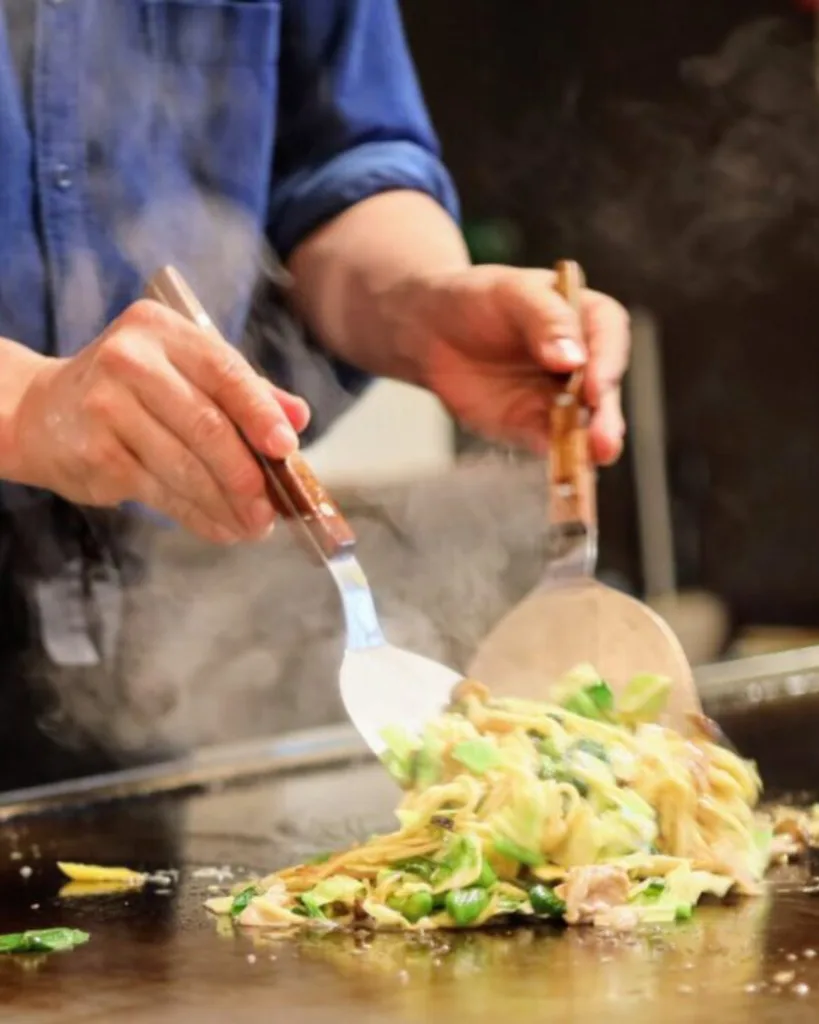
Known as Japan’s Kitchen, this city is famous for specialties like okonomiyaki. Yee believes these savoury cabbage pancakes are particularly good with natural wines at Pasania. This establishment is run by siblings Yoshio and Chie Nakagawa, third-generation owners of the restaurant. Another essential stop? Bar UK. “It was an absolute highlight of my trip,” says Landmark. Charismatic owner Eiji Arakawa is a 70-year-old cocktail historian who opened the bar to share his whisky collection with everyone. “He’s so friendly, takes selfies with every customer he hits it off with and will passionately talk about his collection – or his cats,” they say.
Kyoto
“There’s an ethereal beauty to Kyoto and a focus on tradition that fills my soul,” says Ng, who always makes a beeline for the local tempura, made with Kyoyasai – heirloom Kyoto vegetables. The city also has a long history of Buddhist vegetarian food: this temple cuisine even influenced the pop-ups that acclaimed Copenhagen restaurant Noma ran in Japan. “Kyoto has a more refined and creative vegan scene [than other parts of Japan],” says Ozone. It’s not just rarefied temple tasting menus, either. She’s a fan of Uno Yukiko Ramen and its “wonderful” vegan and gluten-free bowls. Also worth seeking out? Kyoto’s shrines. “I got very lucky when visiting Senbon Torii around sunset and had practically no one else there,” says Landmark. “The view of the sunset over the city was something I’ll always remember.”
Nagano
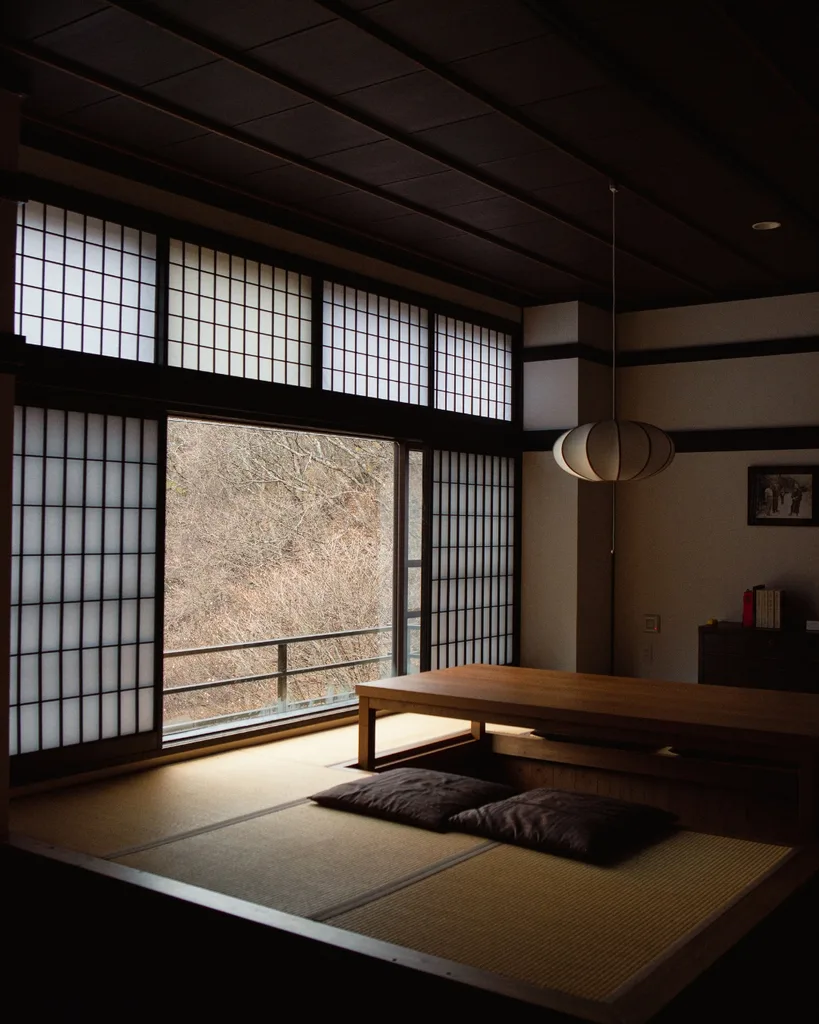
Emiko Davies, author of Gohan: Everyday Japanese Cooking, keeps returning to Chino in Nagano. “While Nagano is known for its mountains and snowfields, Chino is just a simple little village,” she says. “That’s exactly why I love it.” She learnt to make tofu in one of its shops and has met many food artisans while researching her cookbook, The Japanese Pantry. One local producer even creates pine needle and birch tea from forestry industry offcuts. “Every person I talked to spoke of Nagano’s landscape as being vital to what they do.” Ng is also taken by the area. “Nagano and her surrounding small towns have my heart,” she says.
Shodoshima
This island has been producing soy sauce for four centuries, and Davies planned her recent trip around one producer: Yamaroku. “Here, Yasuo Yamamoto, a fifth-generation soy sauce brewer, makes barrel-aged soy sauce (kioke shoyu). He uses cedar barrels that are over 150 years old,” she says. “We got to see these barrels and then taste the aged soy sauce, which was served with mochi that we grilled ourselves.” Meanwhile, ice-cream flavoured with the condiment was, Davies reports, delicious.
Nagoya
Locals in Nagoya famously voted their town as “Japan’s most boring city”. Granted, it doesn’t share Tokyo or Kyoto’s international cachet, but Nagoya’s food culture is incredible. Many dishes are intensely flavoured with red miso and local specialties include hitsumabushi, where eel is served four ways, with diners customising the last serving.
Minamishima started his career here and is fond of the traditional shotengai (arcades) in Osu. “[There are] lots of small, local soul-food restaurants, some long-established, and some more recent,” he says. Nagoya inspires nostalgic cravings for local dishes, such as miso katsu (deep-fried pork cutlets with miso sauce) – for this, he goes to Yabaton. Then there’s 140-year-old Atsuta Houraiken. “This is a very famous grilled eel restaurant close to the Osu area, serving hitsumabushi.” Next on his Nagoya wish list? Michelin-starred restaurant Sushi Shunbi Nishikawa.
Shizuoka
For hot springs, there’s the onsen town of Atami. “It’s a tourist destination among Japanese, but lesser-known among Aussies,” says Fuminori Bun Fukuda, who runs Sydney’s Cafe Monaka and Menya Monaka. “There’s heaps of great seafood here as this whole section of Shizuoka (Atami down to Shimoda) is a fisherman’s coastline. This coastline is my home.” Fukuda’s actual home town is Ito, where you’ll find Ramen Izan. “This is my friend’s ramen place where the entire ramen recipe we have at Menya Monaka is replicated from,” he says. Also worth trying is Ramen Young – it’s why Okada went to Shizuoka for the first time. “There’s this image of how ramen shops should be. But at Young, it’s very casual and modern,” he says. This noodle joint sells clothing, hosts gigs and is known for its bright lemon-spiked ramen. “The location is amazing.”
Fukuoka
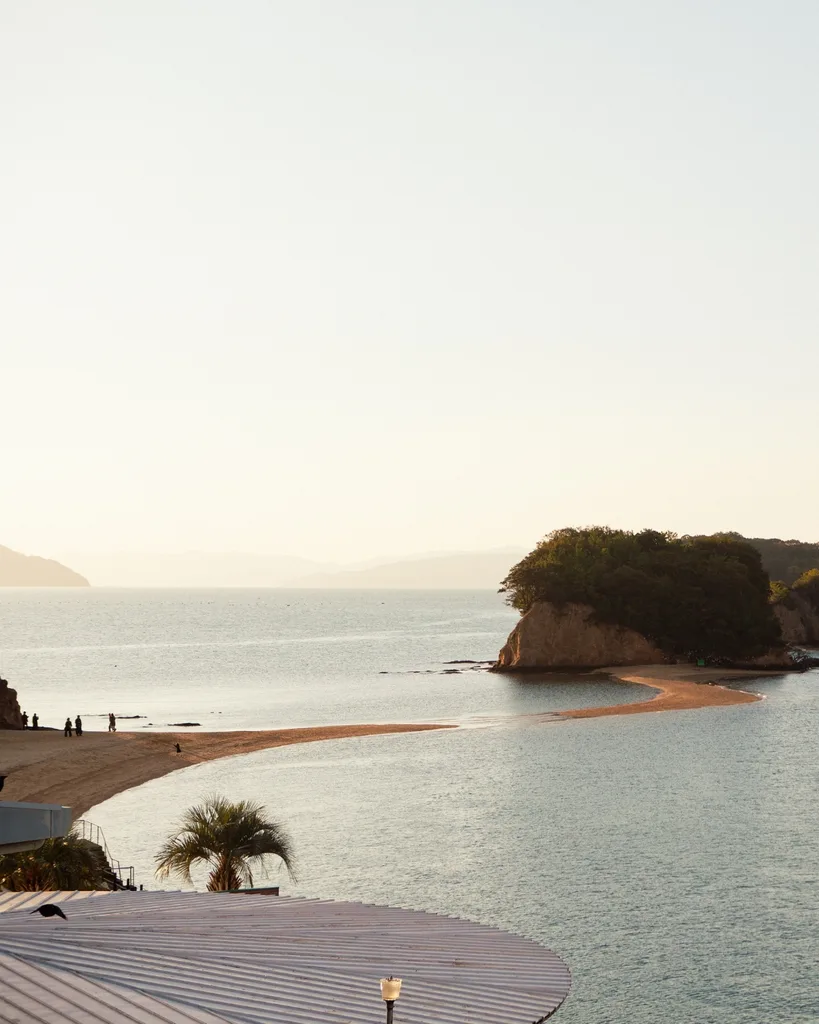
“Fukuoka City has everything – great food, art, fashion, historical sightseeing spots,” says Saori Tsuya from Kazuki’s restaurant in Melbourne. There’s Dazaifu Tenmangu, which has been a “shrine of learning, culture and the arts for more than a millennium. I went there a few times as a child.” Pick up an amulet for luck or sample the umegae mochi (red-bean rice cakes). Beyond the city, take a traditional cruise down Yanagawa River. The area is known for restaurants specialising in unagi (eels). “I still want to try Motoyoshiya’s unagi with their 300-year-old tare [sauce],” she says.
Tsuya is from Yame, outside Fukuoka City. “It’s famous for high-quality green tea,” she says. Try long-established sellers (like Konomien) or venture into the mountains to visit Chiyonoen, an organic family-run farm. “I love that I can see the people who actually grow the tea.”

Related stories
Native ad body.
Native ad body.
Beyond pad Thai: 5 trending Thai dishes to try
The rise of the private party
Native ad body.