

Maintaining flavour-of-the-month status for an astonishingly prolonged period has done nothing but intensify the global taste for Japan travel. As a well-trodden triptych, Tokyo, Kyoto and Osaka promise an exhilarating mix of traditional, modern and contemporary culture, and vast culinary range, however the surge of visitors armed with exhaustive bucket lists can tip even resolute travellers into temporary overwhelm.
Thankfully, delicious respite is closer at hand, thanks to a handful of nearby destinations that make for tempting and doable daytrips. Of course, true beauty lays in lingering, and we strongly recommend unwinding over a two- or three-night stay, and giving yourself the opportunity to observe more by doing less.
Day trips from Tokyo: Nikko
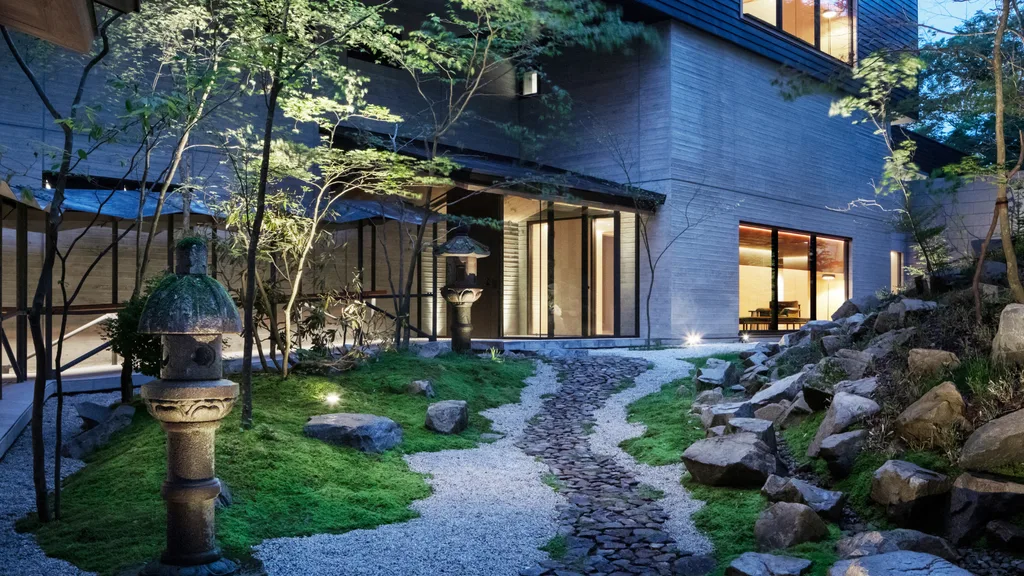
A sense of calm washes over you, just shy of two hours from Tokyo. Approaching Tobu-Nikko station in neighbouring Tochigi Prefecture, majestic mountain ranges and lush cedar forests flood the picture windows of futuristic Spacia X – the most direct express train to the region. Stepping from the platform into the quaint village must feel similar to journeying from London to Hogwarts, but this is just the starting point for a choose your own adventure.
What to do in Nikko
Ten minutes by bus, several UNESCO World Heritage-listed sites await leisurely exploration, but there’s no rush. Instead, acclimatise gently in a classic Showa-era kissaten (coffee house), or by savouring age-yuba manju (deep-fried soy milk skin buns) laden with sweet azuki-bean paste. Nikko Tosho-gu, which enshrines Shogun Tokugawa Ieyasu, and is revered for its intricate carvings of Three Wise Monkeys, is perched within a sprawl of cultural edifices, all within dawdling distance. Not far from pretty Shoyo-en garden you’ll find the legendary Shinkyo Bridge, a brushstroke of protective vermilion and black, linking the banks of languid Daiya River.
Although Nikko National Park is a playground for all seasons, historically it served as a summer retreat for aristocratic Tokyo-ites (including foreign diplomats). Seeking cooler climes, they tucked into ichigo kakigori (shaved ice) doused in intensely aromatic puréed Tochigi strawberries, with sweet cream sourced from nearby pastures.
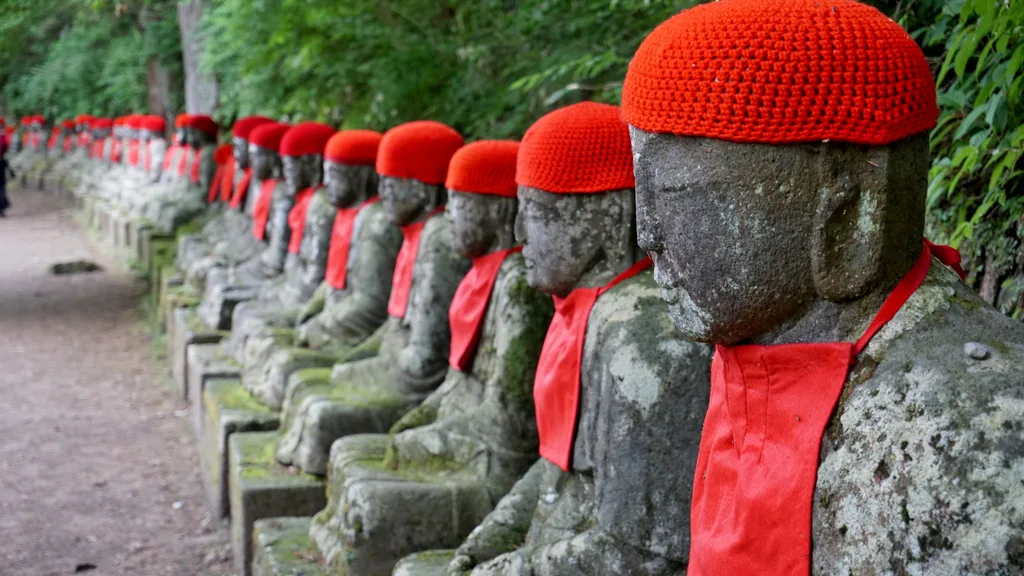
Breathtaking Lake Chuzenji, reclining at the foot of sacred Mount Nantai, is worth every cent of the 30-minute taxi-fare for the skyward drive along Iroha Slope’s 48 scenery-hogging, hairpin bends – it’s especially sublime in autumn. Admire the lake from the sidelines, gently paddle around its surface fishing for trout, or take to its 25-kilometre circumference by foot or bicycle. Visit picturesque Kegon Falls, forest-frolic with Bambi among spring’s alpine flowers, or plough Okunikko’s refreshingly quiet ski fields during snow-white winters.
Where to stay in Nikko
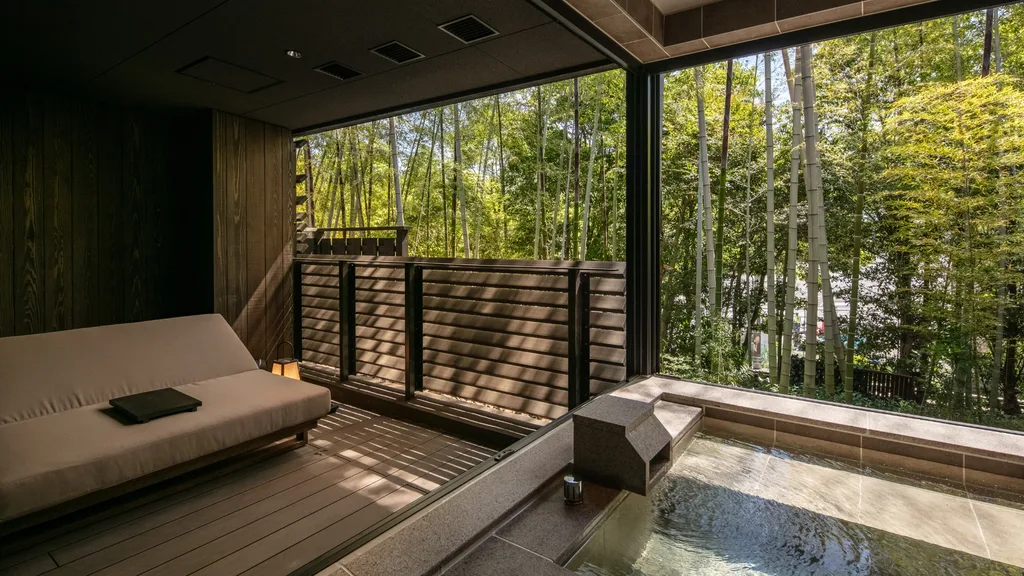
Traditional ryokan (inns) arc around the lake’s onsen-rich fringe but the jewel in the crown is The Ritz-Carlton, Nikko, which is incomparable. Beautifully polished but unpretentious, every space is utterly enticing, designed for maximum relaxation. No-one will judge if you remain in your room, soaking in the panoramic vista from the bath, but it would be a shame to miss high-tea by the fire, sumptuous farm to table menus in all restaurants, or rare Japanese whisky over hand-carved ice, hauled from a natural-ice farm – true story.
Day trips from Kyoto: Ohara
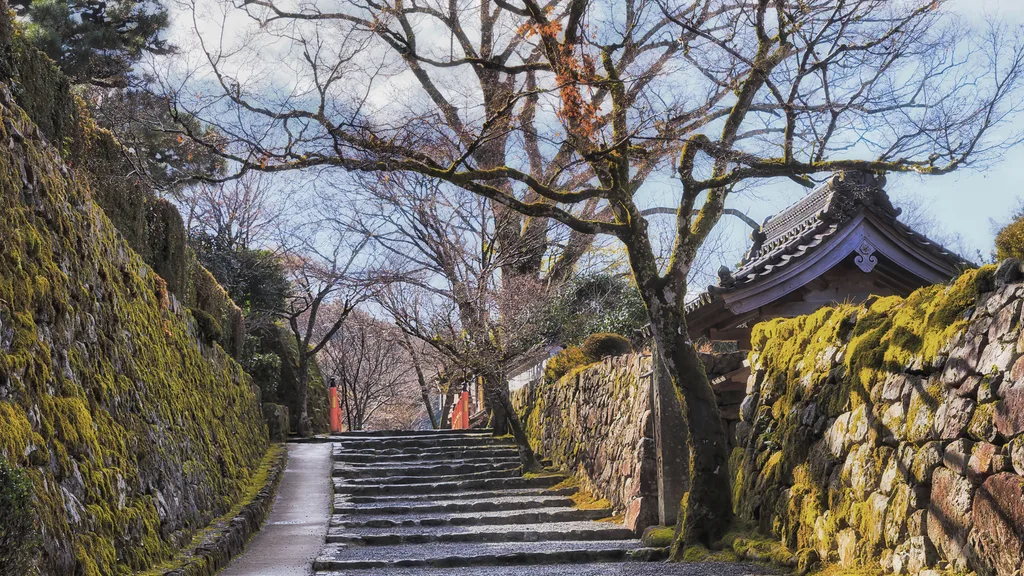
Tranquil Ohara feels so very distant from Kyoto’s eternally bustling city streets, despite its location, just 50 minutes north of Kyoto station by bus, and even closer from the city’s central hotels.
What to do in Ohara
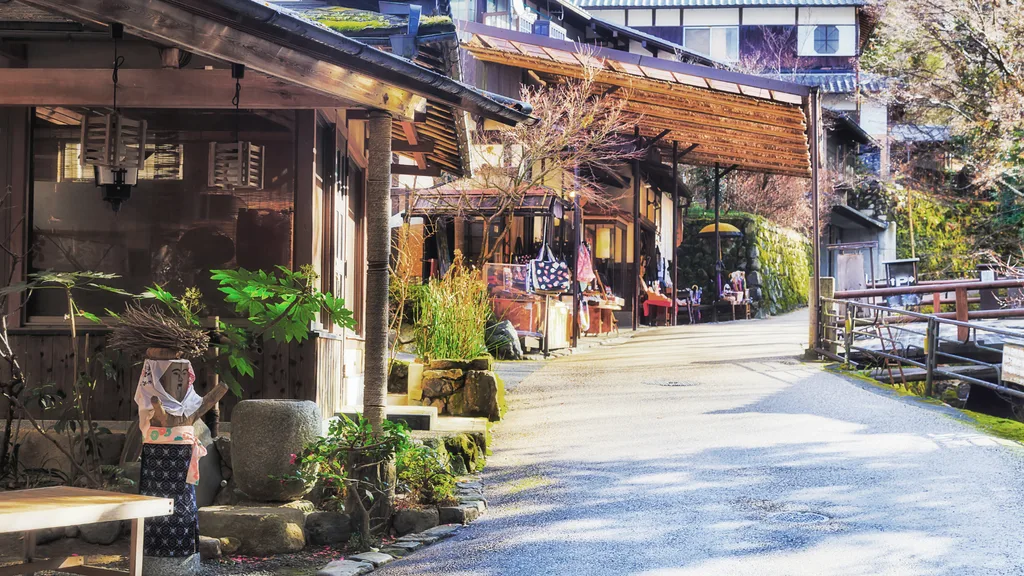
Excursionists tend to spend a tight handful of hours clambering Ohara’s spiritual temple trail, which is barely enough time to acquaint themselves with autumnal favourite Jakko-in and stupendously grounding Sanzen-in, yet no-one leaves without souvenirs. The main pathways to both properties are lined with shacks selling carefully preserved foods, grown within this important Kyoto food bowl, including seasonal pickles, dried mushrooms, candied yuzu or ginger, and red shiso-leaf cordial (which no gin bar worth its salt should be without). Opposite Sanzen-in’s entrance, several eateries serve freshly set, wobbly tofu, most commonly enjoyed as yudofu (literally, bathing tofu) which is fished from a simmering donabe (pot) and seasoned with savoury accompaniments.
Kyoto residents, meanwhile, are more concerned with meet-ups at Sunday’s Ohara Fureai Asaichi (morning farmers’ market) and discussing which downtown restaurants are showcasing Ohara-grown Kyo-yasai (premium Kyoto veg). Go early for the market, or people-free Sanzen-in but never, ever rush a meditative matcha while contemplating the temple’s bewitching Shuheki-en garden. Take your time to examine the contagiously euphoric expression on each face of the carved stone Jizo (deities) guarding the temple grounds, purpose-built for year-round wandering and reflection. It’s undeniably difficult to drag yourself away but a box of signature incense will help sustain its essence back at home.
Where to eat in Ohara
Restaurant La Bûche’s innovative cuisine is created with ingredients gathered or “trapped by chance” in surrounding pine and bamboo forests, which are subsequently flashed, simmered or smoked over its namesake firewood. A welcome tea of steeped sundried grape-leaves readies the palate for pain d’épices sandwiched with an unexpectedly silken venison-liver pâté. Lardo-like slivers of slow-cooked Anaguma (Japanese badger) dissolve on the tongue, desperately leaving you wanting more. Pistachio-hued kujo negi (a Japanese leek-like allium and Kyo-yasai) and coriander ice-cream is also curiously addictive, and foraged wild greens will have you running for the hills, in a good way. With one newly awarded Michelin star, you’ll need to book well ahead.
Where to stay in Ohara
Constructed as a wealthy merchant’s thatchedroofed villa in the late 1700s and now a ryokan, Hachikan sleeps one party at a time guaranteeing private use of the phenomenal facilities. An onsite spa (featuring indoor/outdoor onsen, steam sauna, aroma showers and massage service), peaceful garden tea-house and exquisite dining (by the former chef of Kyoto’s most exclusive kaiseki restaurant) make this a retreat for all senses.
Day trips from Osaka: Nara
What to do in Nara
This ancient city and former capital, best explored on foot, can be reached in 40 minutes by train or car from Osaka’s heart. While Nara features on informed tourist’s itineraries, few witness the joy of Shikayose, a French horn melody summoning around 1300 slumbering sacred deer to breakfast, who subsequently bounce from the woods of Nara Park like a tsunami of fur-pelted pogo sticks.
While the park itself never sleeps, key sights including Todai-ji’s Daibutsu (15-metre-tall, bronzed Buddha) and lantern-lined Kasuga Taisha (shrine), only begin to stir between 7am and 8am (season dependent) which, for those staying in-situ means hours of uninterrupted post-sunrise strolling.
Where to stay in Nara
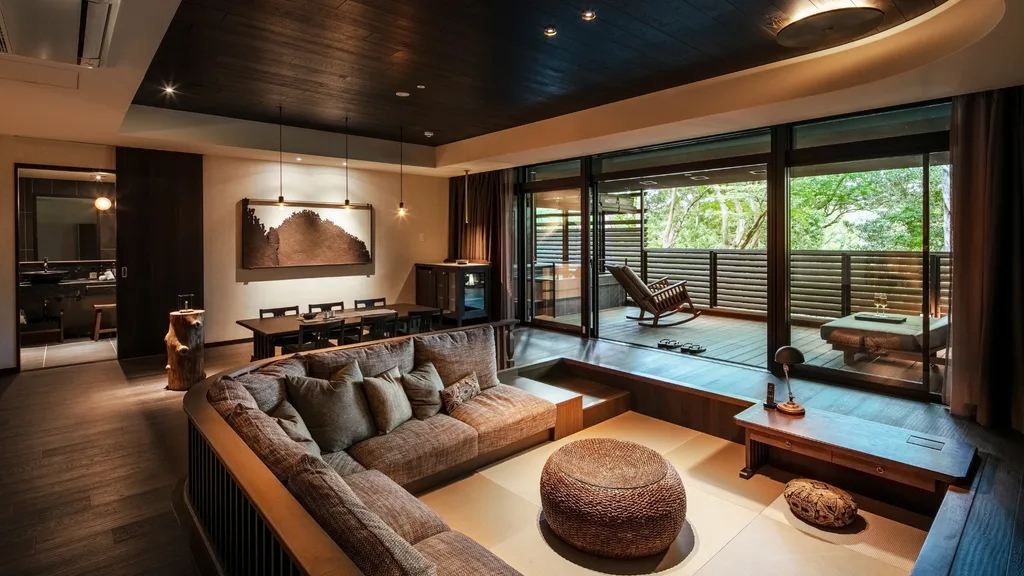
Poised between the park’s greenery and handsome old-town of Naramachi, elegant Noborioji Hotel boasts large (for Japan), luxuriously appointed rooms and old-fashioned service. Communal areas, including formal French Restaurant Le Bois, and an intimate bar, furnished in dark timber and leather, give off exclusive club vibes
Where to shop in Nara
Nearby, Higashimuki Shotengai (adjacent to Kintetsu Nara station), is a colourful arcade dotted with antiquities and favoured foodstuffs including mellow, umami-dense Narazuke pickles, preserved in sake and mirin lees. At its southern exit, a dog leg left then right, leads you deep into Naramachi, resplendent with historic and culturally significant dwellings and structures. A clutch of former machiya (shop-houses) including the elegant Koshi-no-le (Lattice House), and artisan experiences, such as Kinkoen’s sumi ink-making workshop, offer some fascinating insight into Japan’s Edo and Meiji periods.
Evocative laneways populated with refreshment stops, handcrafted wares and a growing swathe of pocket-sized galleries and museums, fade into quiet Takabatake-cho neighbourhood, anchored by fashionable Fufu Nara Hotel; favoured for seclusion, comfort and bespoke herbal treatments.
Sipping Nara’s lauded nihonshu (sake) or umeshu (plum wine), made with the fruit of the region’s abundant plum trees is a fine way to end the day, but a meal at humble Tou No Cha-ya, specialising in cha-gayu (green tea-flavoured rice gruel), gifts the diner a lesson in the perfection of simplicity.
Day Trips from Japan FAQs
Some of the best day trips from Tokyo include Some of the best day trips from Tokyo include Nikko for its historic shrines and natural beauty; Hakone for its serene mountainscapes and art museums; and Kamakura for its temple and famous Great Buddha. For something more urban, Yokohama offers vibrant city life with a lively Chinatown and a beautiful waterfront. If you’re after nature and mountain views, Mount Takao is great for an easy hike, and Lake Kawaguchiko is known for its iconic views of Mount Fuji.

Related stories
Native ad body.
Native ad body.


Native ad body.