
 Photo: Phillip Castleton
No matter what season it is, there’s nothing better than sinking your spoon into a warm apple pie. If you like your classics, Catherine Adams’ apple pie recipe will satisfy your cravings, though the rhubarb and apple combo with cinnamon custard is a very fine thing indeed. For an apple pie spin-off, our apple tart recipes should do the trick. (The squished apple tart wins out for its speed and compact-ness).
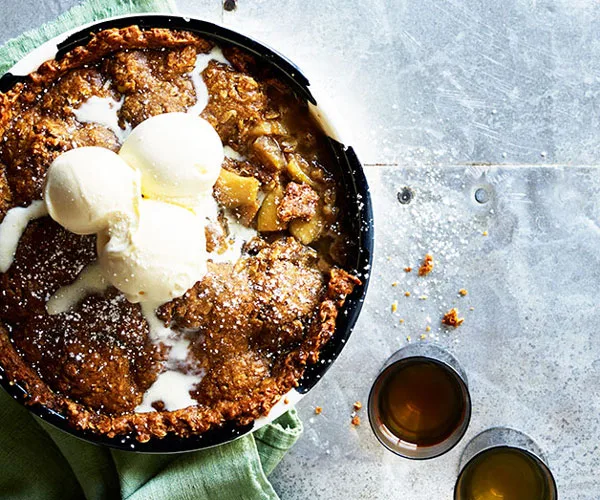
Apple Anzac pie
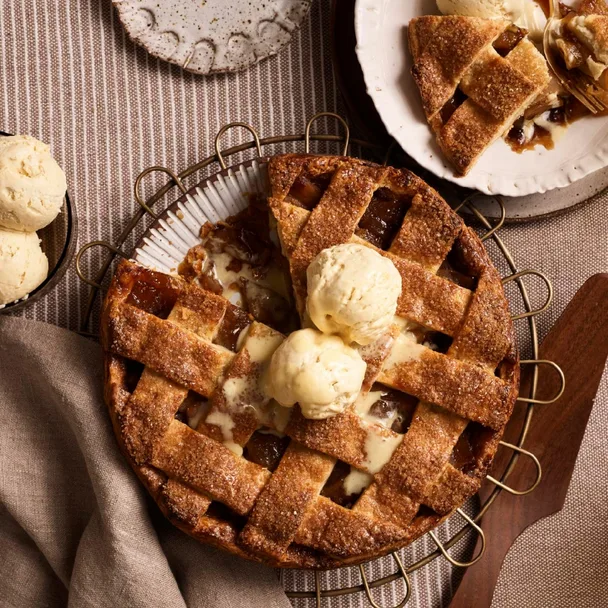
Spiced apple lattice pie with ginger semifreddo
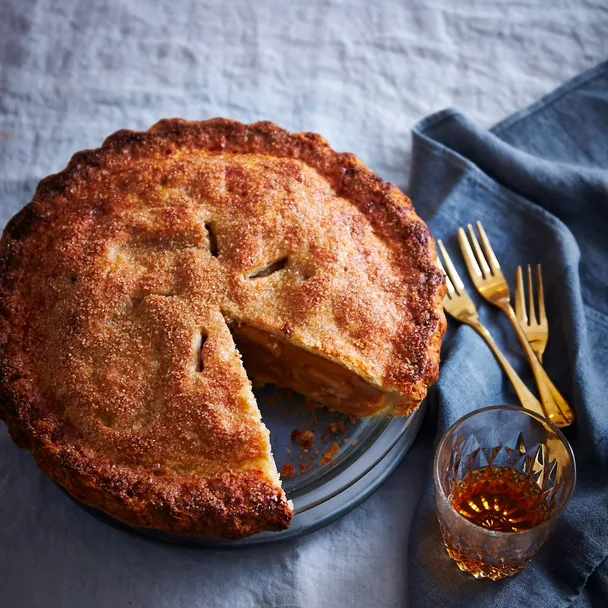
How to make apple pie
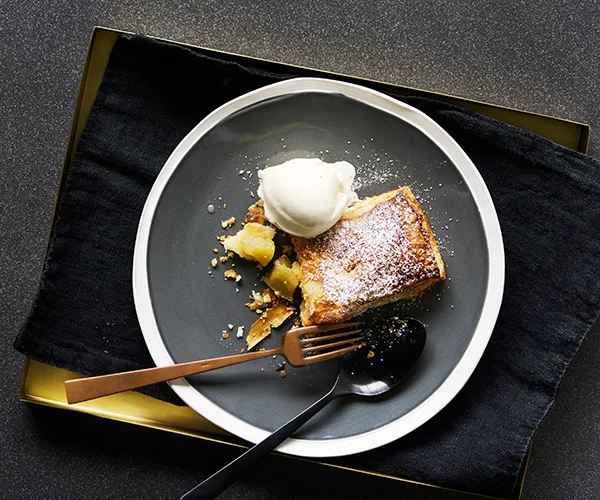
Little apple pies

Skillet apple pie
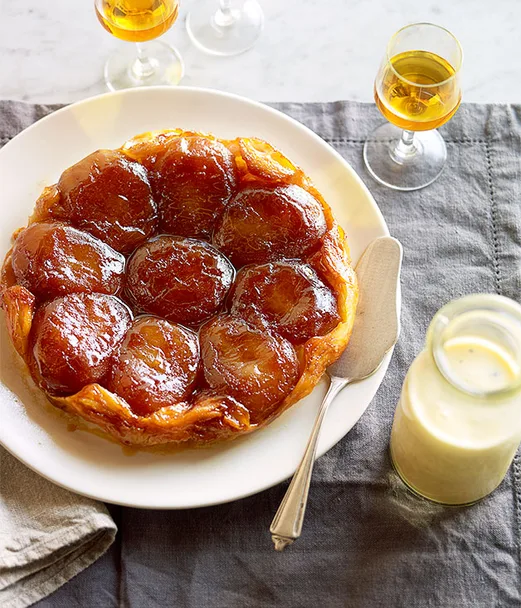
Tarte Tatin
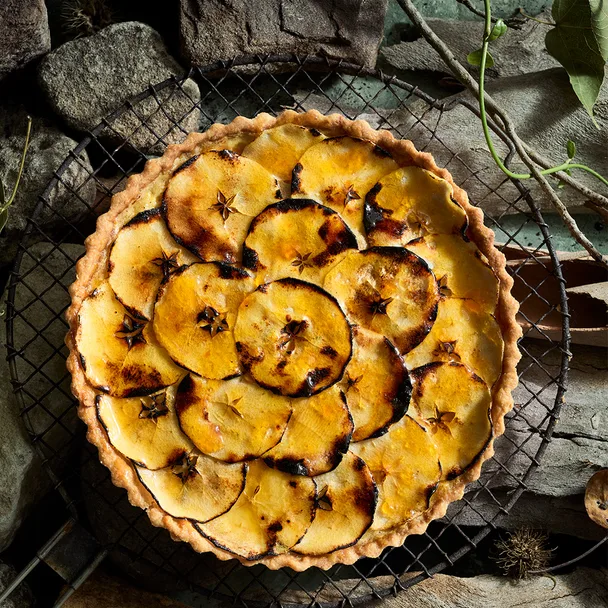
Charred apple custard pie
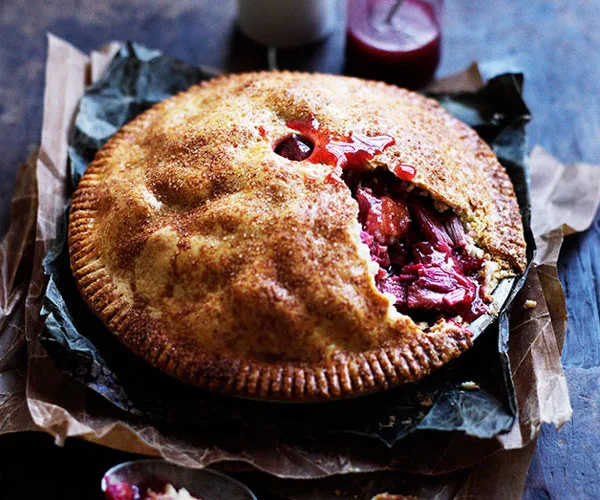
Rhubarb and apple pie with warm cinnamon custard

Miso caramel apple pie
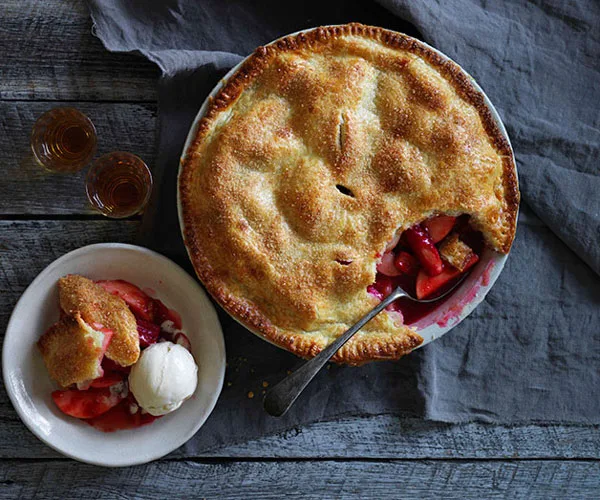
Apple, rhubarb and raspberry pie with toasted almond ice-cream
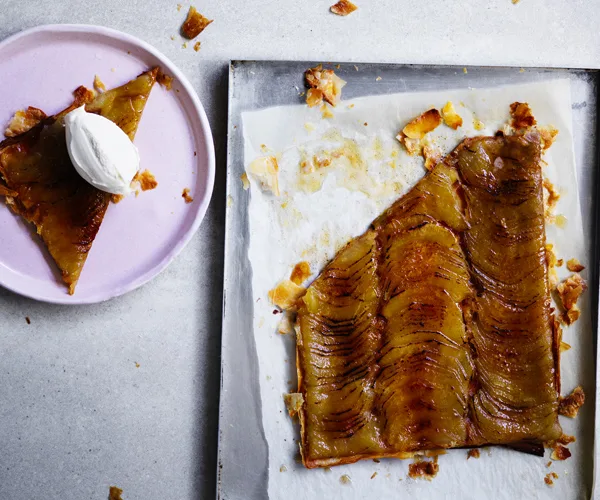
Squished apple tart

Tarte fine aux pommes

How to make a fine apple tart
Appie pie recipes FAQs
The short answer is, yes, apples should be cooked before making pie. Baking or stewing your apples before filling your pie ensures an even texture across your apple pie filling. Filling your pie with raw apples can cause an uneven cook across your filling, meaning some slices may be undercooked and crunchy whereas others could be overcooked and mushy. Filling your pie crust with raw filling may also leave gaping gaps in your pastry lid or lattice as the apples shrink as they cook.
The thickener in an apple pie filling is generally starch that comes from stewing your apples before baking them into your crust. This ensures a lovely, thick sauce and complex filling flavour in your appie pie (and tart) recipes.
The secret to a perfect apple pie lies in getting the basics right, beginning with the two components that make a really great apple pie: the filling and and of course, the pastry. Use fresh seasonal apples (we like a mixture of tart and sweet) and aim for either a flaky pastry (this is along the lines of an American pie style) or a sweet pastry (this is more typical of Australian pies).

Related stories
Native ad body.

Native ad body.
Native ad body.