

With a call sheet that reads like a who’s-who of Sydney’s most storied kitchens – such as Sixpenny, Ester, Shell House, LuMi – chef Aaron Ward has long understood that provenance isn’t a buzzword, it’s a responsibility.
Now at the helm of Bathers’ Pavilion’s kitchen, he’s brought that ethos to PorkStar’s inaugural Sydney Snack Session, sending out porchetta di testa, pork blood cookies and aged Kurobuta pork with black garlic, hispi cabbage and cucumber. We caught up with Ward to talk teamwork, 72-hour bread and why the secondary cuts are usually the ones worth fighting for.
How did you get into cooking?
I’ve always had an interest in cooking and a love for good food. Growing up, I enjoyed watching cooking shows like Huey’s Cooking Adventures and baking with my mother, which sparked my passion for being in the kitchen. I also played team sports throughout my childhood, and I found that the environment in a professional kitchen is very similar – everyone works together towards the same goal. That strong sense of teamwork is one of the things that drew me into cooking and made me want to pursue it as a career.
Your Instagram handle mentions cooking, baking and fermenting — which is your greatest passion?
That’s like asking a parent to choose their favourite child. Baking and fermenting are both fundamental to the way I cook, and they’ve evolved through years of experimentation, trial and error. I love baking bread because no two days are ever the same. There are so many variables that can affect what seems like a simple loaf, and that’s part of what makes it so rewarding especially after waiting up to 72 hours for the final result. Fermenting is one of my favourite ways to build flavour. I often use overlooked or ‘waste’ ingredients to create something new or preserve the best produce of the season for when it’s no longer available. Those ferments then become a way to season dishes or add another layer of complexity to the final plate.
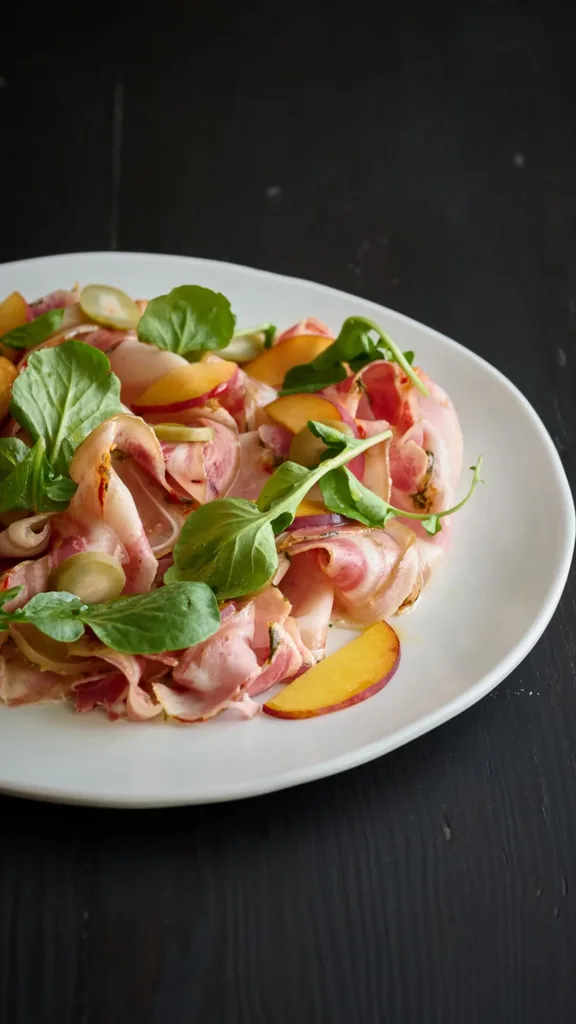
Your time at Sixpenny gave you a real farm-to-plate grounding, how has that shaped the way you use a whole animal, like the porchetta di testa and pork blood cookies at PorkStar’s Sydney Snack Session?
This is something that’s been ingrained in me for a long time, and my time at Sixpenny really reinforced that mindset. When you understand how much time, care and effort go into growing or raising an ingredient, you naturally want to honour it by using as much of it as possible. Some of the cuts or ingredients that are considered secondary are often the most flavourful and versatile to cook with. Using the whole animal isn’t just about reducing waste, it’s about respecting the ingredient and finding value in every part.
What’s been the biggest shift in your cooking, moving from inner west (Sixpenny) and inner city (Ester, Shell House, LuMi Dining) to beachfront at the iconic Bathers’ Pavilion?
I’ve taken a little piece from every kitchen I’ve worked in over the years and brought those experiences together at Bathers’ Pavilion in a way that reflects my own style. Each restaurant has shaped how I think about food, whether it’s technique, produce, or the way a dish comes together. At Bathers’, I have the opportunity to showcase the best of what’s on offer from exceptional seafood and quality proteins to locally grown vegetables while putting my own stamp on a venue with such a rich culinary history. The location also naturally inspires a style of cooking that’s produce-driven, seasonal and lets the ingredients speak for themselves.
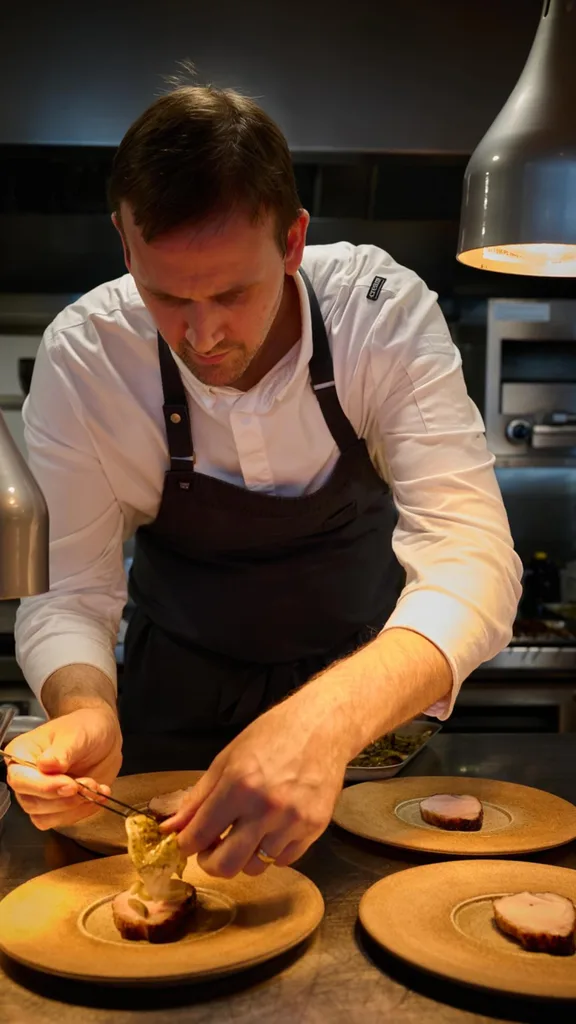
You’ve spoken about working closely with producers and farmers, what do you look for in a good piece of Australian pork, and how does that show up on the menu at Bathers’?
The first thing I look for is knowing where it comes from and how it has been reared. I enjoy working with producers who are passionate about what they do and are proud to tell the story behind their farming practices. I think that enthusiasm is often matched by guests, who increasingly want to know where their food comes from and how it was produced. From there, the seasons play a big role in how we use pork on the menu. During the colder months, I tend to gravitate towards richer, more unctuous cuts. In the warmer months, we lean towards leaner cuts that are suited to grilling. It’s about using the right part of the animal at the right time of year and letting the quality of the produce speak for itself.
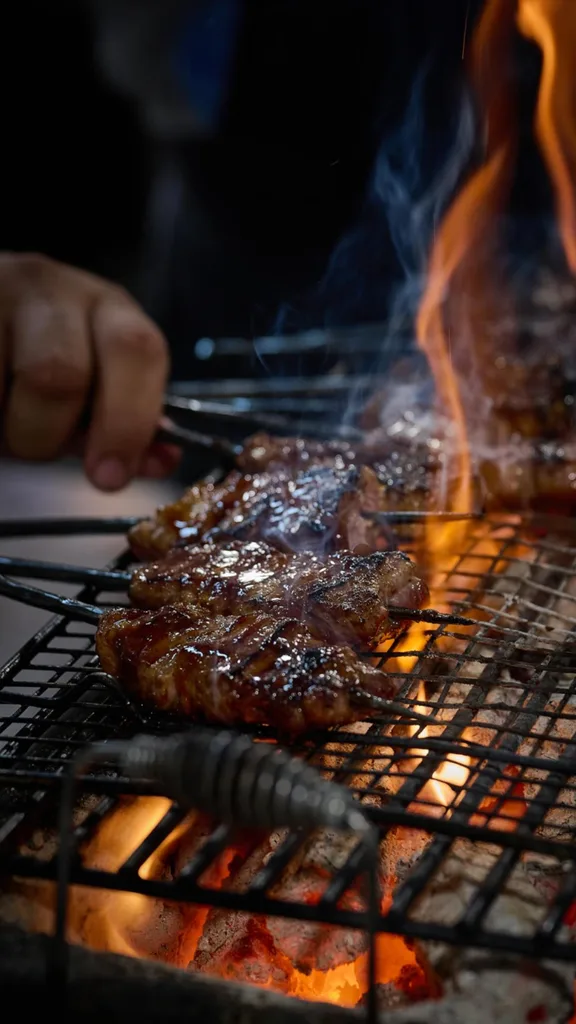
If you were to pick one dish from the menu at Bathers’ to eat every day, what would it be?
I’m definitely a snacks kind of guy. One of the perks of the job is getting to sample all the snacks we serve, and I’d be very happy eating my way through those every day. The potato scallop is a favourite because it brings a real sense of nostalgia, while the tuna tart and the glazed abalone with pork jowl skewer are both equally delicious. They each showcase different flavours and techniques, and together they capture the style of food we love serving at Bathers’.
If you could only ever serve one pork dish at Bathers’, what would it be and why?
It would be a beautifully aged pork cutlet. We age the whole rack for around 10 days to gently reduce the moisture content and allow the meat to firm up, which helps concentrate the flavour. We then cut the cutlets to about three centimetres thick, so we can achieve a beautiful, caramelised crust on the outside while keeping the centre perfectly rosy and juicy. It’s a simple dish, but it relies on great produce and careful technique. Depending on the season, we’d pair it with fruit to balance the richness of the pork. At the moment, quinces and pears are perfect — they bring freshness, sweetness and acidity that really complement the meat without overpowering it.

PorkStar inspires usage of Australian pork by connecting the stories, knowledge, and people of pork to you!

Related stories
A chef’s passport: the places that shaped Luke Mangan
Native ad body.
Native ad body.
Native ad body.