
 Sangeeta Kocharekar
Splitting my time in Seoul between a modern high-rise hotel and a traditional hanok just made sense. My friend and I started with a hotel stay, but when my second friend arrived and our group grew to three, we knew it would be an awkward number for a hotel room.
We floated the idea of an apartment, but when a hanok – traditional Korean houses that use natural materials to harmonise with their surroundings – was suggested, the decision was a no-brainer. Why book in a generic rental when you could stay somewhere with architecture dating back to the 14th century?
“Why book in a generic rental when you could stay somewhere with architecture dating back to the 14th century?”
These days, many shops, cafés and restaurants in Korea are housed in hanoks, but, I suspected, staying overnight would be far more immersive – and I was right.
Staying in Seoul? Check-in to Maison Hanok
This three bedroom, one bathroom hanok offers a quiet and traditional Seoul experience, just a five-minute walk from Gyeongbokgung Station.
Our hanok of choice was Maison Hanok, an Airbnb Guest Favourite. Just a five-minute walk from Gyeongbokgung Station, the Airbnb was located down a cobblestone, car-free alley in Seochon. In fact, the alley was so tucked away from a main street, it took multiple kind strangers to help us find it after we’d been dropped off by our Uber. (Side note: I recently saw a TikTok by a Korean creator saying Seochon is much preferred to Bukchon, another hanok-filled area, by locals and that it was once a neighbourhood for artists and writers.)
Eventually, using a combination of Google Maps and Korean navigation app Naver, we arrived at its wooden doors. After punching in an entry code, one of the many modern comforts added to the hanok we’d later discover, we walked into a sunken stone courtyard. From there, another door led into the hanok’s ground floor, which had a bathroom – the only one – and two bedrooms, both with rice paper doors opening onto the courtyard.
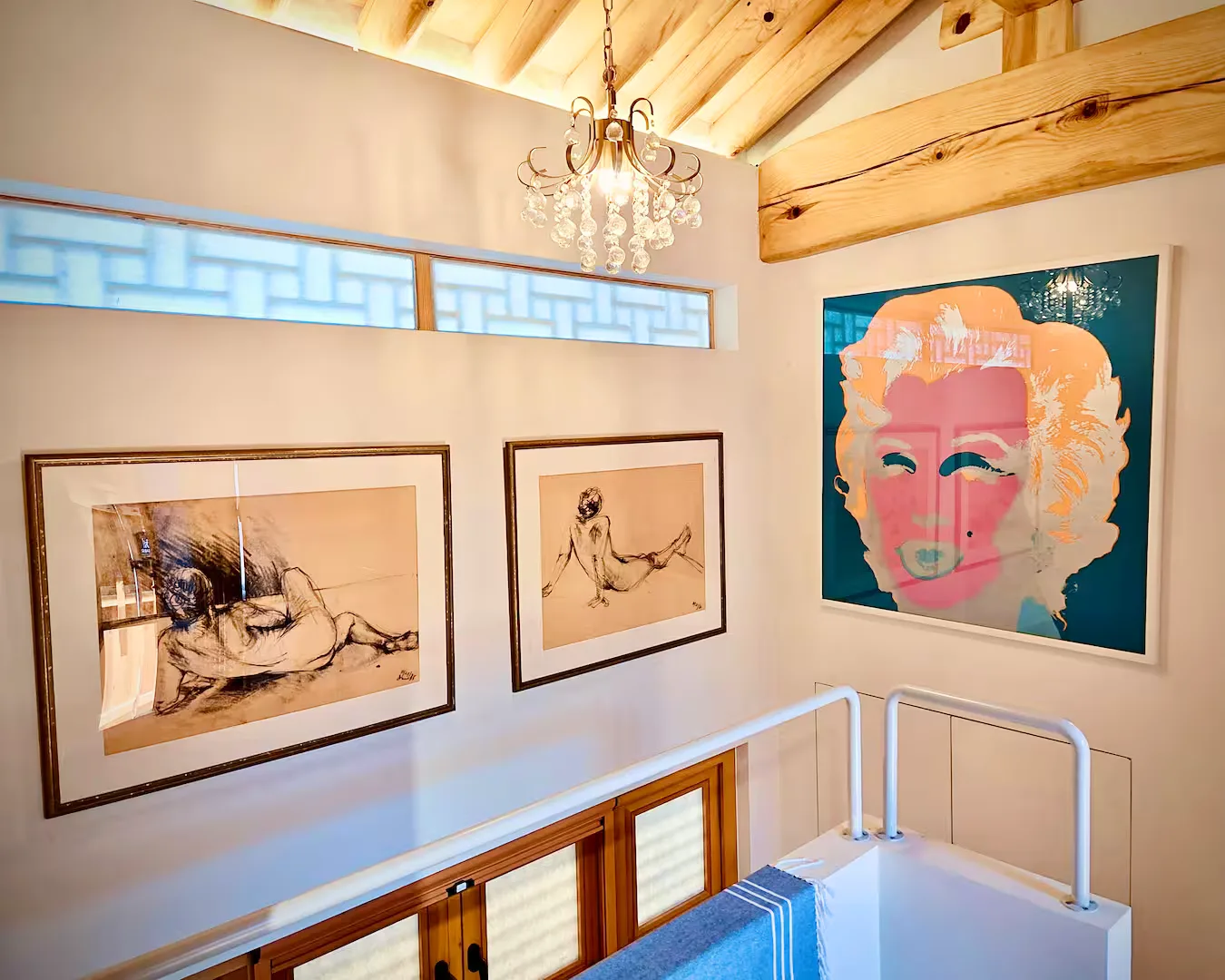
A built-in staircase led to a basement where we found the third bedroom, a dining area with a TV at one end, and a kitchen, complete with a dishwasher, fridge, oven and farm-style kitchen sink with a purified water tap above it. The cupboards were stocked with crockery and cutlery, cutting boards and pots and pans. We didn’t use any of it. Why cook and eat at home when we had some of arguably the world’s best food at our fingertips? Had we stayed any longer than three days, though, I’m sure the kitchen would’ve come in handy.
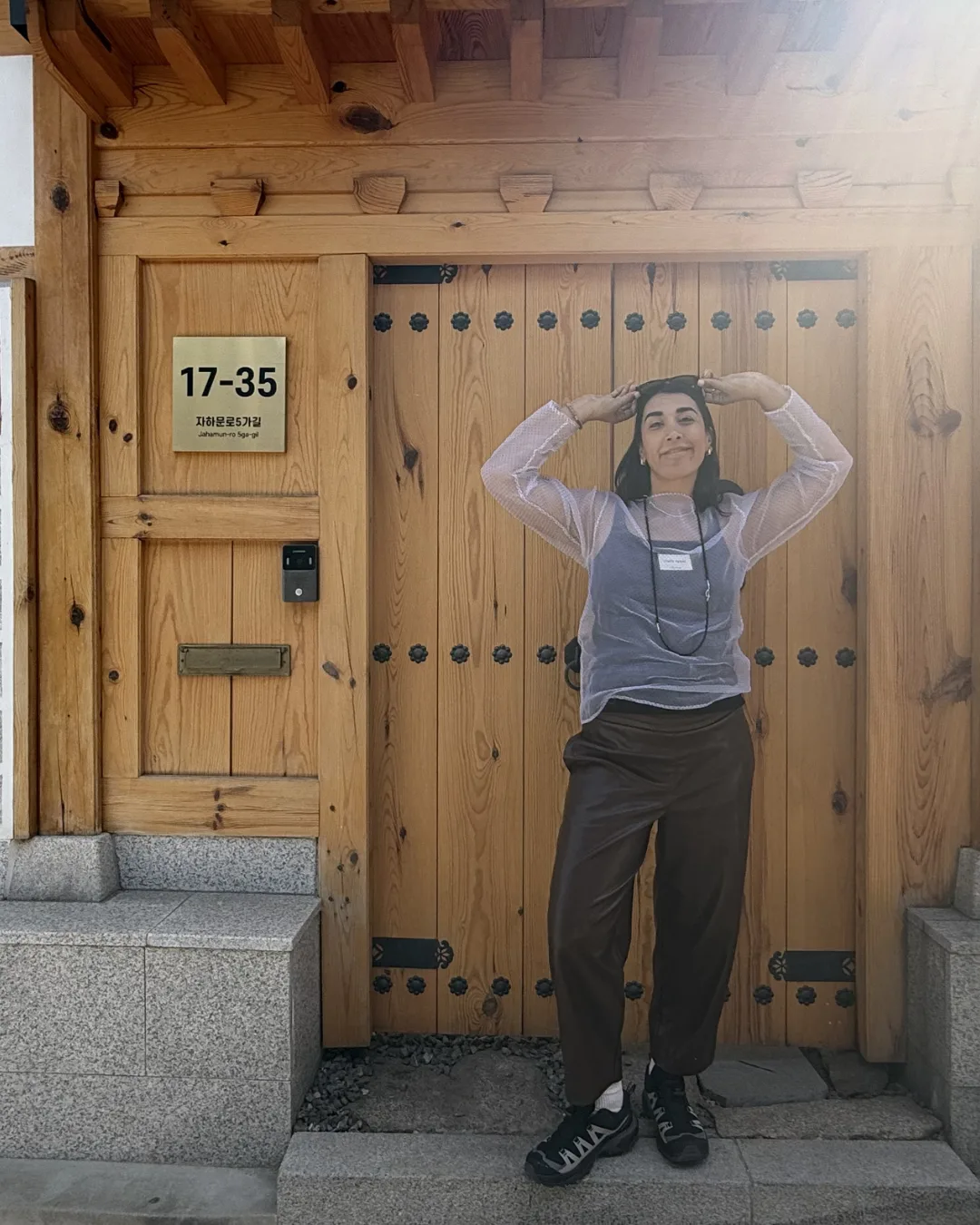
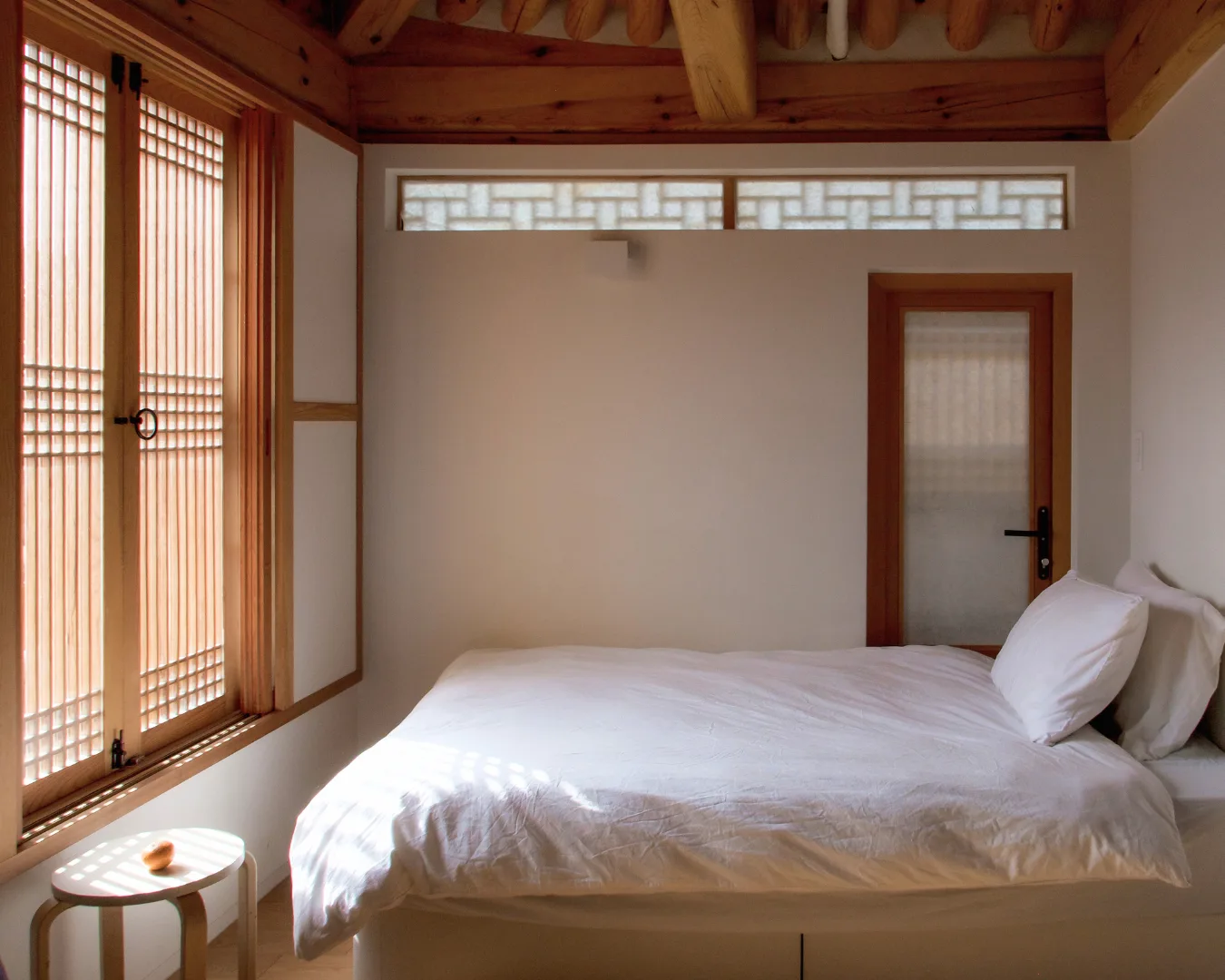
My friend took a master bedroom with a built-in vanity in one corner and built-in closet, while my other friend and I shared the second upstairs bedroom, which had two single beds at either end of the room and a futon against a wall in the centre. Every morning, I’d spend a few blissful minutes in bed, admiring the sun streaming through the room’s wood-panelled, rice paper windows.
After days of exploring the city’s futurist design and spotting the same global chains and shops I see back in Sydney, I felt glad to have booked a stay somewhere so unique to Korea – and so integral to its cultural history.
Our editors handpick everything we recommend. We may receive revenue for sharing this content or when you shop through our links. Read more here

Related stories
Native ad body.
Native ad body.
Native ad body.