

 Getty
Getty
It’s often said that to truly understand a country, you have to taste it — and in Tokyo, nothing captures the city’s essence more completely than sake.
Long considered Japan’s national drink, sake in Tokyo is more than tradition — it’s a living, evolving craft that threads its way through the city’s past and present, offering travellers a deeper understanding of the culture. Sake has been made in and around Tokyo for centuries, stretching back to the Edo period between 1603 and1868 when the city was rapidly becoming Japan’s political and cultural heart. As the population grew, so did the demand for sake and breweries emerged in areas where the conditions were ideal: clean water, nearby rice fields and the kind of patience that is only appreciated outside the city.
Today, tucked between forested river valleys in Tokyo’s west and in compact city streets, lies a remarkable collection of breweries who have kept this speciality alive. Visiting them is one of the great undiscovered pleasures of a Tokyo trip.
The west Tokyo way
The most atmospheric sake experiences in Tokyo require a train ride, and the reward is well worth it. Head west along the Tama River and the city gradually gives way to greenery and clear, cold, fast-flowing water — the ideal brewing conditions. Sitting at the edge of the Okutama Mountains, is one of the oldest surviving sake producer, Ozawa Brewery, which has produced sake for more than 300 years.
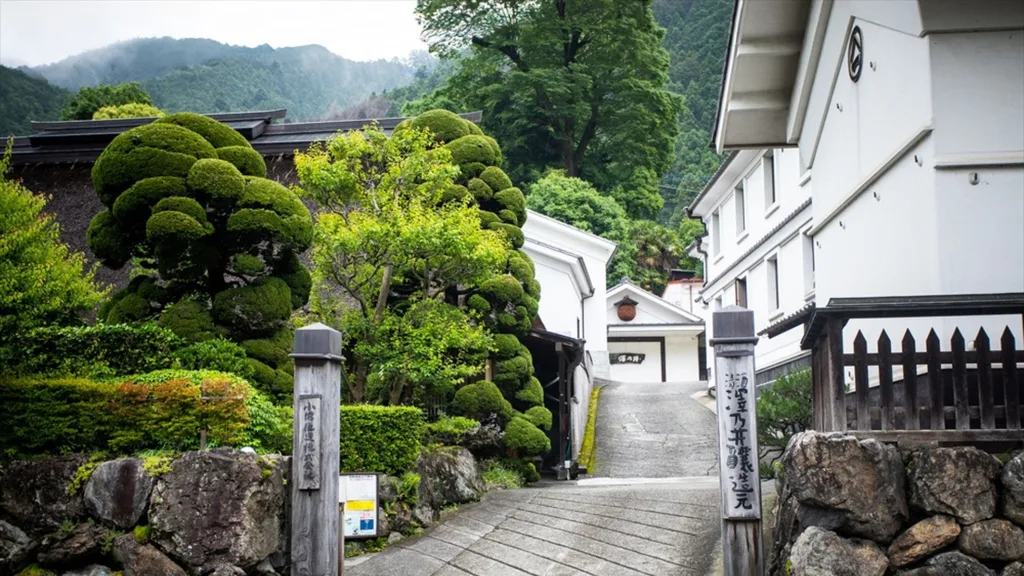
With a technique passed down through generations where the sake is preserved within earthen-walled storehouses, visitors at Ozawa Shuzo can expect to have a truly unique experience. With an advance reservation, visitors can walk through working spaces that have hardly changed over centuries or settle in for a tasting in their riverside garden where soba is also served — a pairing as timeless as the brewery itself.
Back towards the Tama area, the story of sake continues, this time layered with architecture, hospitality and innovation. At Ishikawa Brewery, traditional kura buildings sit beneath towering keyaki trees, while onsite dining and accommodation invite a longer stay, blurring the line between tasting and immersion.
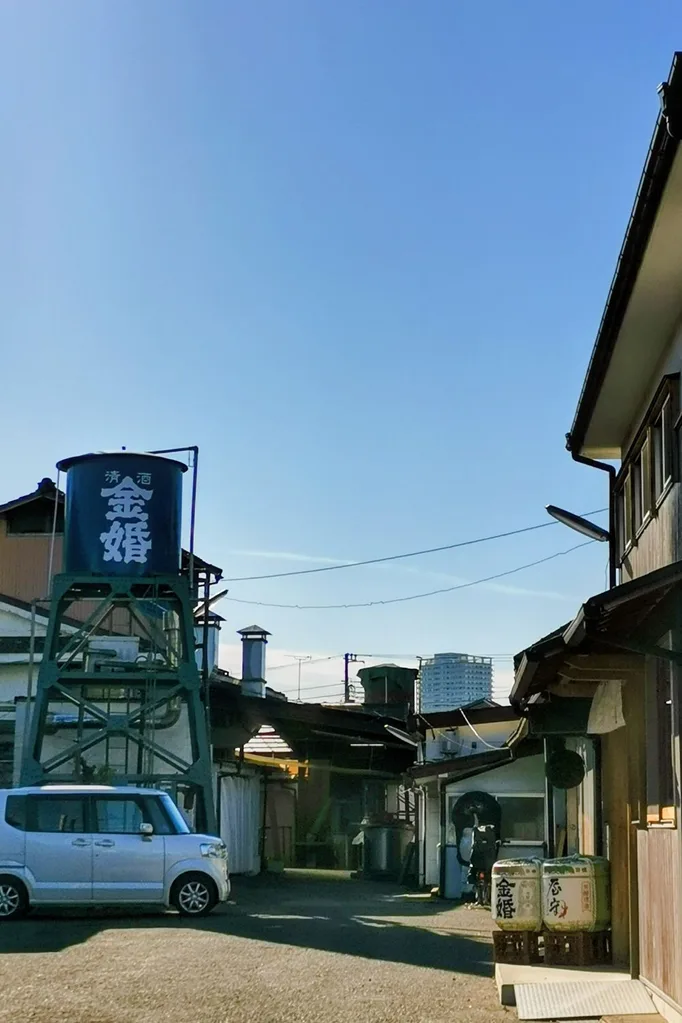
Nearby, Tamura Shuzojo continues a 200-year brewing legacy under the stewardship of its 16th-generation brewer. Further north in Higashi murayama City sits Toshimaya Brewery, the oldest sake shop in Tokyo. Private tours here feel less like a scheduled activity and more like a private lesson with history.
Sake in the city
Back in the hum of Tokyo, there is a different conversation around sake happening — one that’s forward-thinking without forgetting what came before.
One of the most compelling examples is Konohanano Brewery in Asakusa, founded with the mission of training the next generation of craft-sake makers. Its focus is the unrefined style of sake, doburoku, which is rarely produced in the city. Its koji room — the space where rice is cultivated with mould to begin fermentation — enables a wide range of flavour profiles, proving traditional techniques are not simply being preserved, but evolving for a new generation.
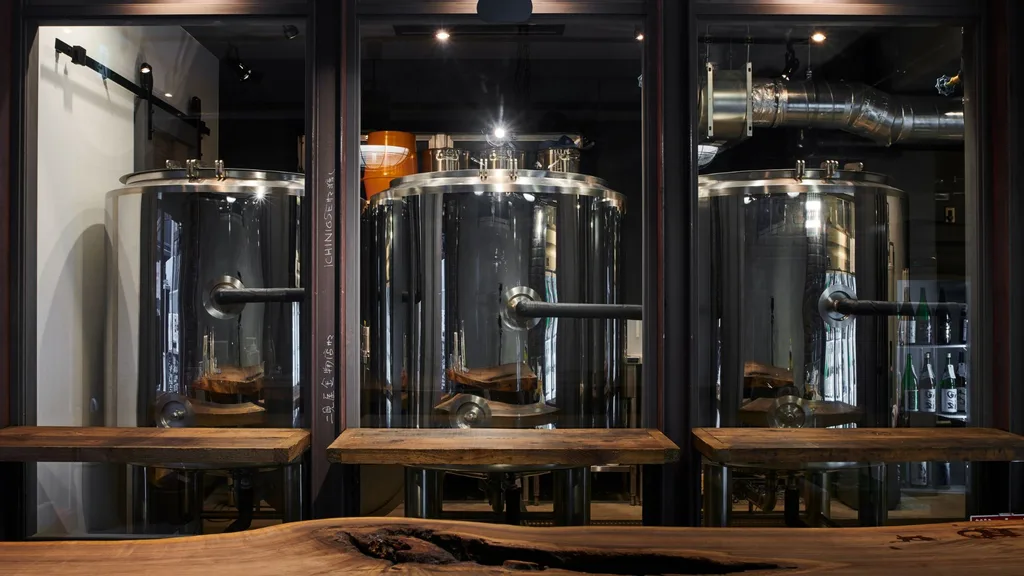
Tokyo Port Brewing’s history isn’t to be missed. Originally founded as Wakamatsuya in the late Edo period and once frequented by some of Japan’s most celebrated historical figures, the brewery closed before reopening in 2011. Now, it’s curating a bold, modern approach to sake-making as well as liqueurs, doburoku and plum wine, in a compact four-storey building in central Tokyo. A reminder that even in one of the world’s most modern cities, some things are worth saving.
What sake reveals about Tokyo
Tokyo has always done so well in holding the past and the present in the same hand. In a city so often defined by its future-facing energy, sake offers a way to understand what came before. Its deep roots in Japanese ritual, seasonality and craft, make it a near-perfect lens for understanding a city that never stops evolving.
Guided tours and behind-the-scenes tastings are available for most breweries, with most requiring reservations. For travellers looking to experience Tokyo beyond the expected, sake offers a slower, richer way into the city.
For more information, visit gotokyo.org
Related stories
Native ad body.
Native ad body.
Native ad body.