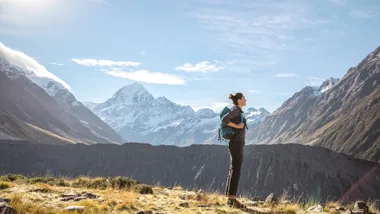


I’m Australian but I was born in South Africa. Before this trip, I hadn’t been back since I left when I was eight years old. My mother was born there, and educated in England. She met my father, who was Irish, at a yacht club party in Durban. My mother was very anti-apartheid, so they decided to leave South Africa. My father, who was a sailor, built a yacht in our back garden, and we planned to sail from Durban to Australia, New Zealand, and then Canada, but when we got to New Zealand, Mum said, “The kids have to go to school,” so that’s where we stayed.
As for our education, we had a lot of books in boxes on board that were meant to be read along the way, but that never happened. My mother never opened the boxes. We had a tutor who was supposed to come with us but the day before we set sail, she pulled out because her boyfriend proposed. He didn’t want her to leave.
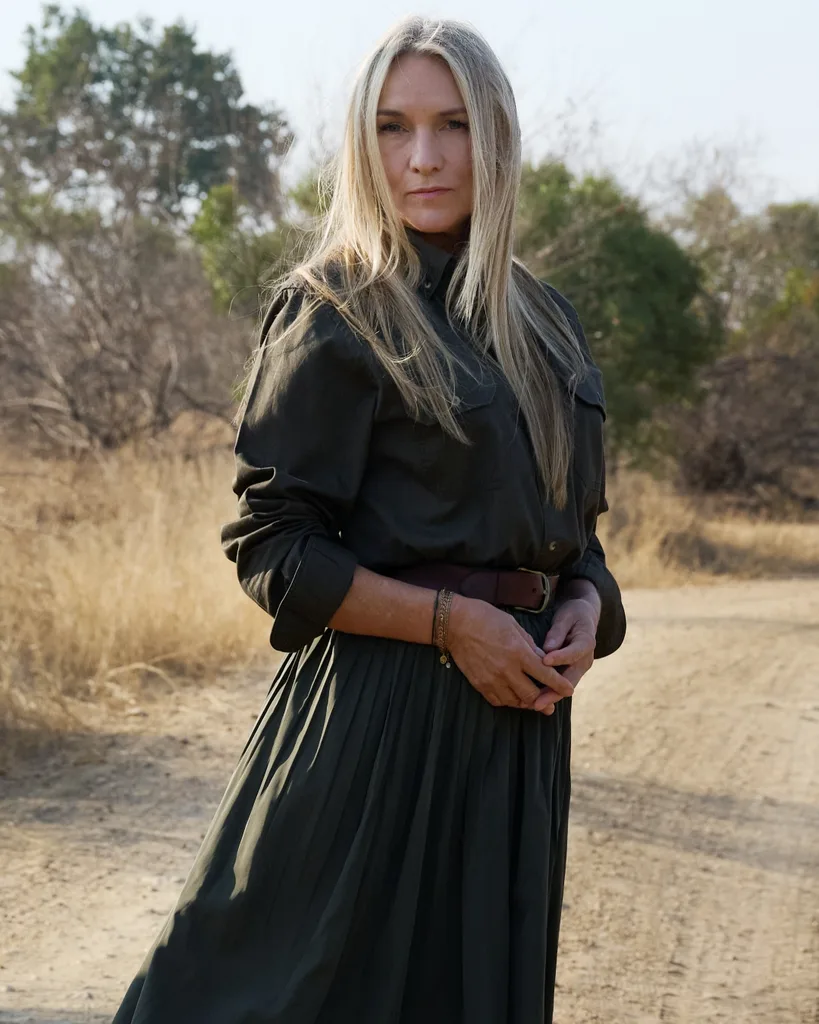
We had a different kind of education. We learned about navigation, constellations, the stars, the weather, marine life and geography. Sailing taught us amazing discipline because you can’t not listen to the captain, even though he is your father.
A few things came flooding back from those early years when I returned for this trip. The colour of the earth. The music – there was a certain rhythm I recognised – and I can remember there always being a lot of music in my life. In parts of Joburg people were playing Miriam Makeba, who sang The Click Song, another familiar memory from my childhood. They don’t approach music in a formal way and say, “Okay,we’re going to a concert now.” There’s just always music around, even if it’s people singing to themselves in the street. What also stood out was the huge generosity of spirit.
I also remembered the food: things that are uniquely South African like putu, which is a staple made from cornmeal, like crumbly corn. Meat and fish are often cooked on a braai – what we call a barbecue – with putu alongside.
Certain things stick out in your mind from when you’re a kid. We used to cross Tugela Bridge and I can remember looking down and seeing all the hippos and crocodiles in the murky water below. I was always afraid that we would fall through the gaps.
I travelled to Cape Town and Johannesburg with photographer Earl Carter to research a book I’m writing, and it definitely reawakened my connection to South Africa. There is still high unemployment in some areas but there is creativity everywhere. There are so many incredible experiences to be had that aren’t necessarily just about seeing game.
Collette’s South Africa highlights
Buitenzorg Estate, Constantia, Cape Town
Most people go to Stellenbosch for wine in South Africa but Constantia has incredible wine. The place I stayed is this classic Cape Dutch-style estate and it has a gate that you walk through and you’re in the vineyards of Groot Constantia, which has the oldest vines in the country. I love wine and there are some very interesting wines coming out of South Africa – lots of good chenin blanc.
Chefs Warehouse at Tintswalo Atlantic, Chapmans Peak Drive, Hout Bay, Cape Town
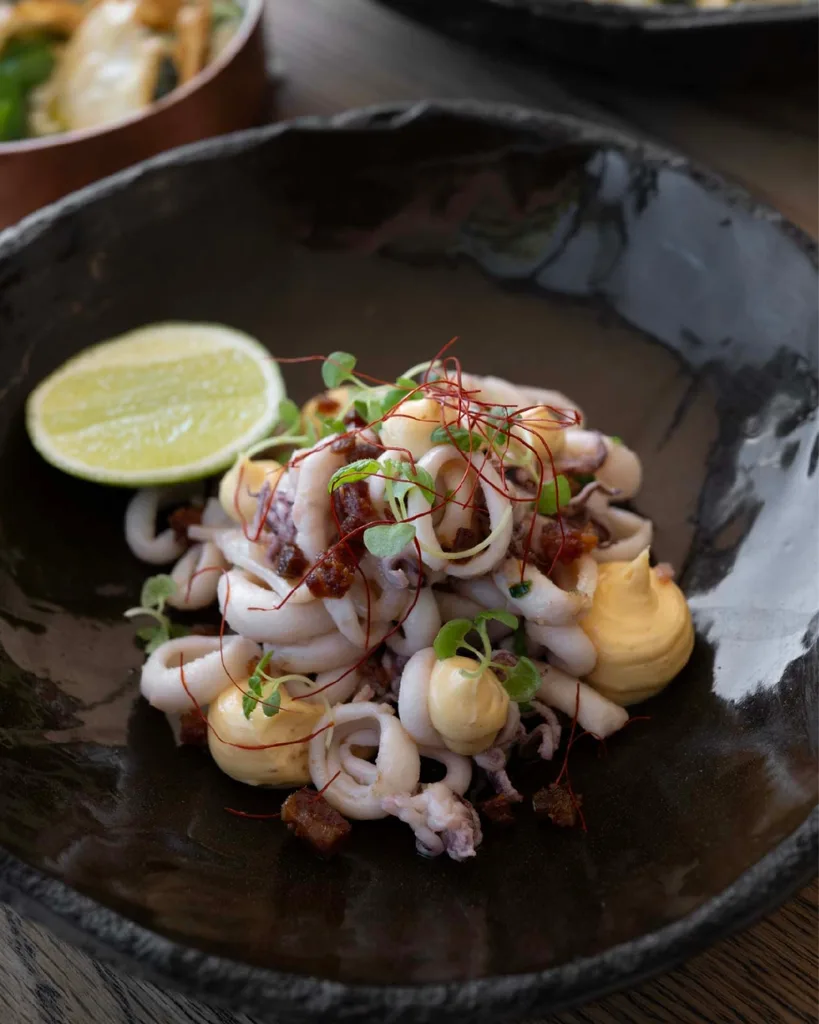
This restaurant is in an amazing spot right on the water’s edge. The chef is Liam Tomlin, an Irish chef who used to have Banc in Sydney. The food was elegant, well-considered and delicious, the service was exceptional, and the setting was spectacular.
Kalky’s, Kalk Bay Harbour, Cape Town
Kalk Bay is a cute seaside town and one of Cape Town’s fishing ports. There is a restaurant dockside called Kalky’s that serves the day’s catch and it’s loved by locals. It’s very humble but has a great atmosphere and fresh seafood. I had grilled crayfish and chips for about $12. They also serve prawn fritti wrapped in newspaper, and calamari and fish. They give you salt, vinegar, lemon and piri piri, and it’s served on these colourful plastic-coated tablecloths.
Taalmonument, Paarl, Western Cape province
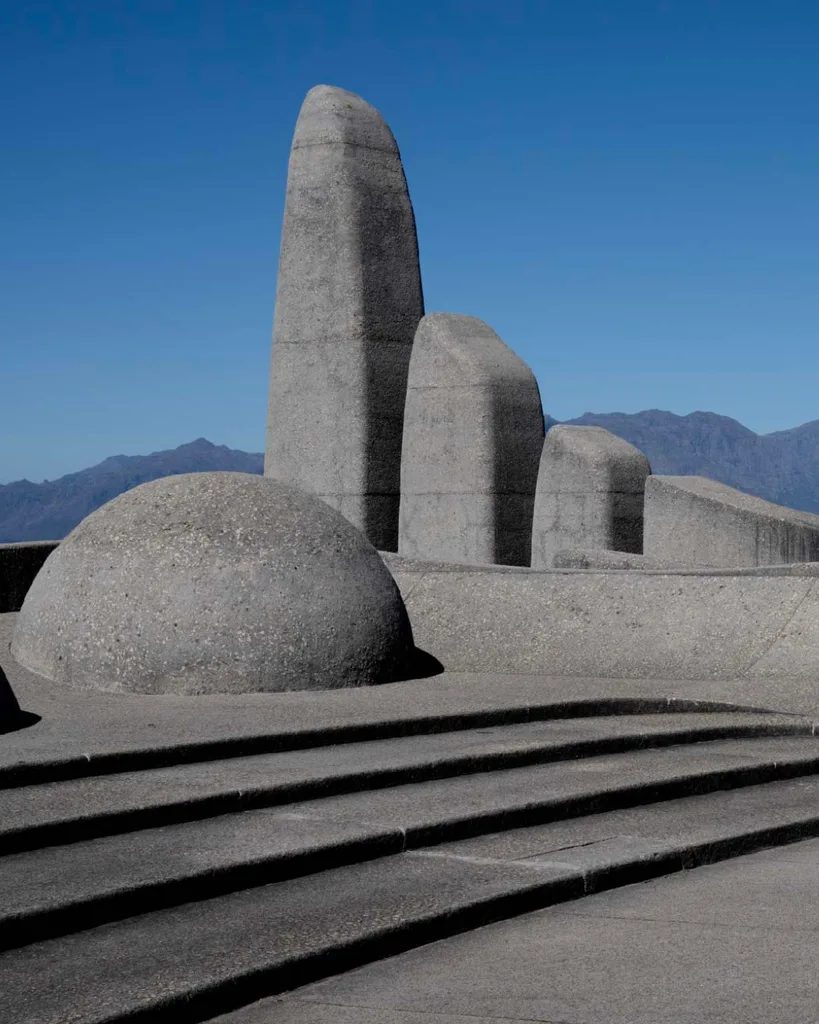
This Brutalist-style monument sits on top of a mountain. Up there, you get this sense of perspective, so when you go back down it takes away any complacency you might be feeling. It’s so high your voice reverberates. When I was there a gentleman was meandering through the tunnels singing opera.
Limoncello Ristorante, Noordhoek, Cape Town
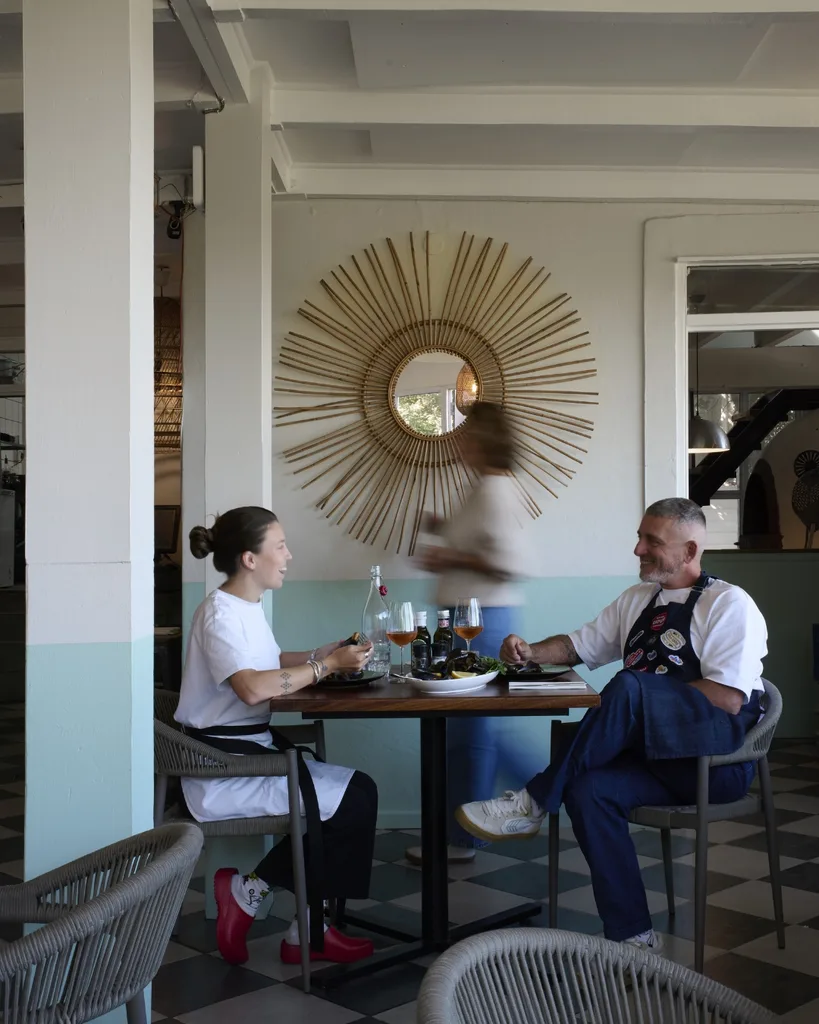
I was looking for the most down-to-earth, “fish from the boat to the plate” kind of place and someone recommended Limoncello. It’s at the foot of Chapman’s Peak in this ’50s-style, pale blue and white beach shack. The owner Luca [Castiglione], who is from Naples, goes out fishing a few times a week on his boat and his daughter, the chef, cooks what he catches. I had the most incredible mussels with this great sourdough.
Victoria Yards, Lorentzville, Johannesburg
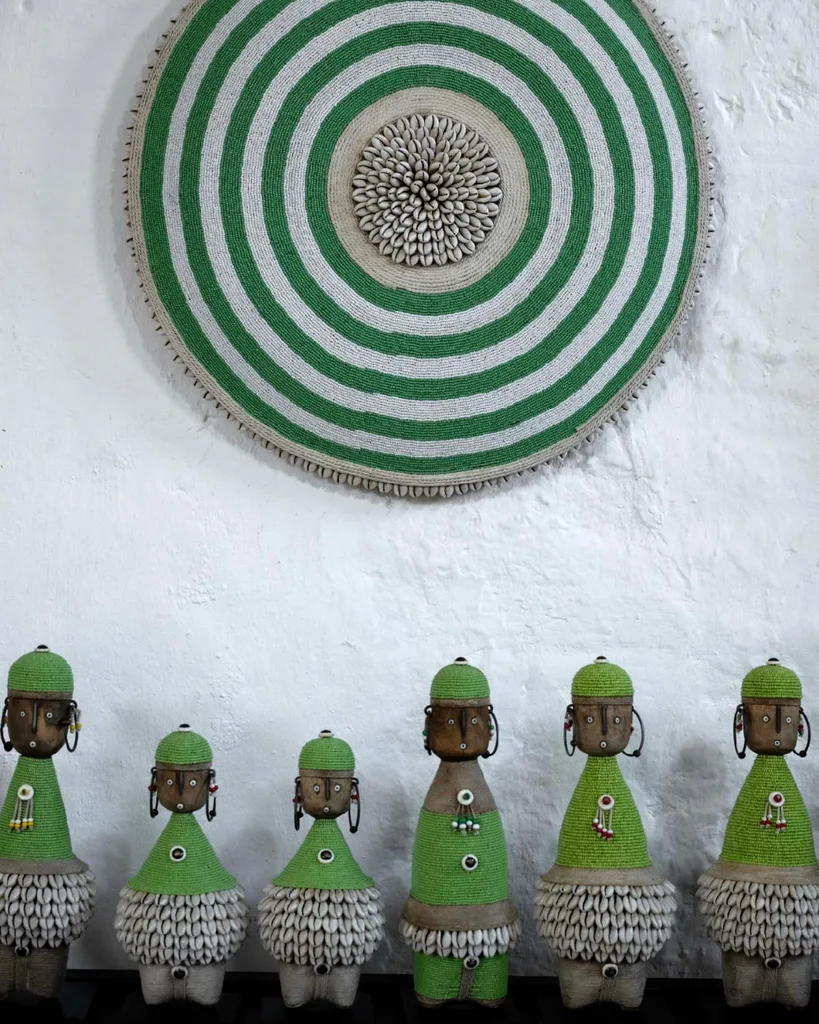
Victoria Yards is a very large old warehouse that has been restored and converted into a community space with artists, food stalls, markets and vegetable gardens. It has great cafés too – I had a cortado that was one of the best coffees I had in Joburg. It even has a gin distillery. I brought back some traditional woven baskets and some small, beaded dolls that were really unique. It’s not a particularly touristy destination, so I’d recommend engaging a guide or driver to get you there.
The Kitchen Garden, Cradle of Humankind, Magaliesberg, North West, South Africa
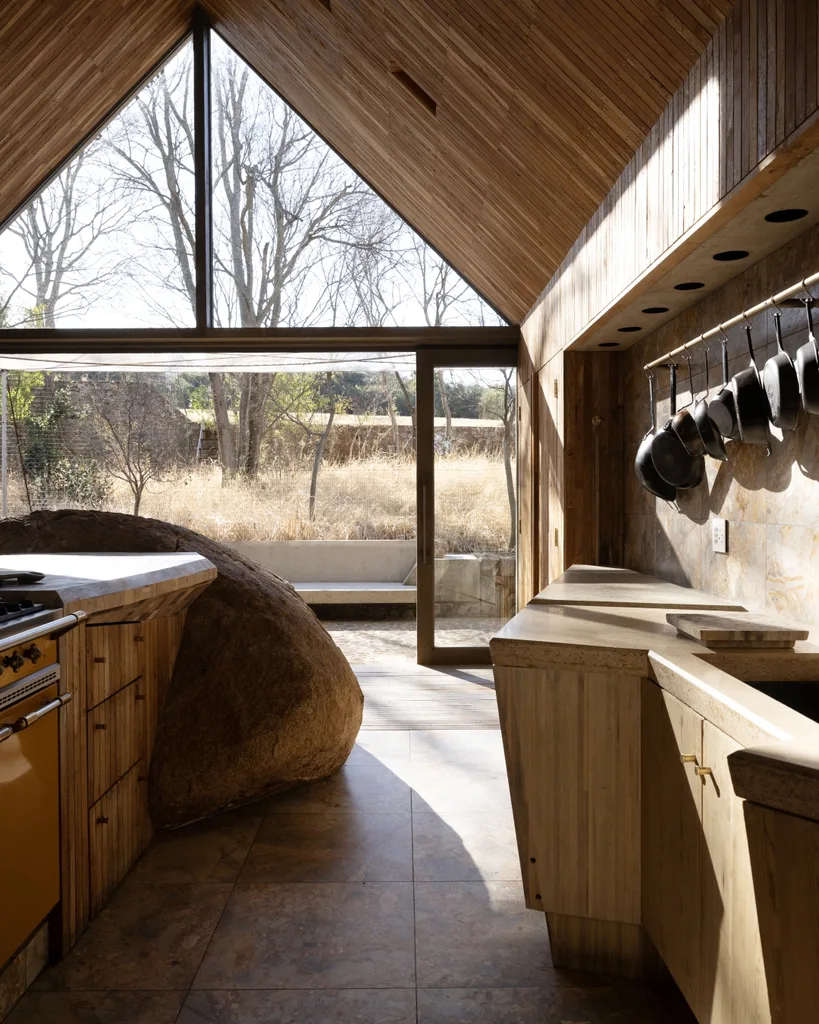
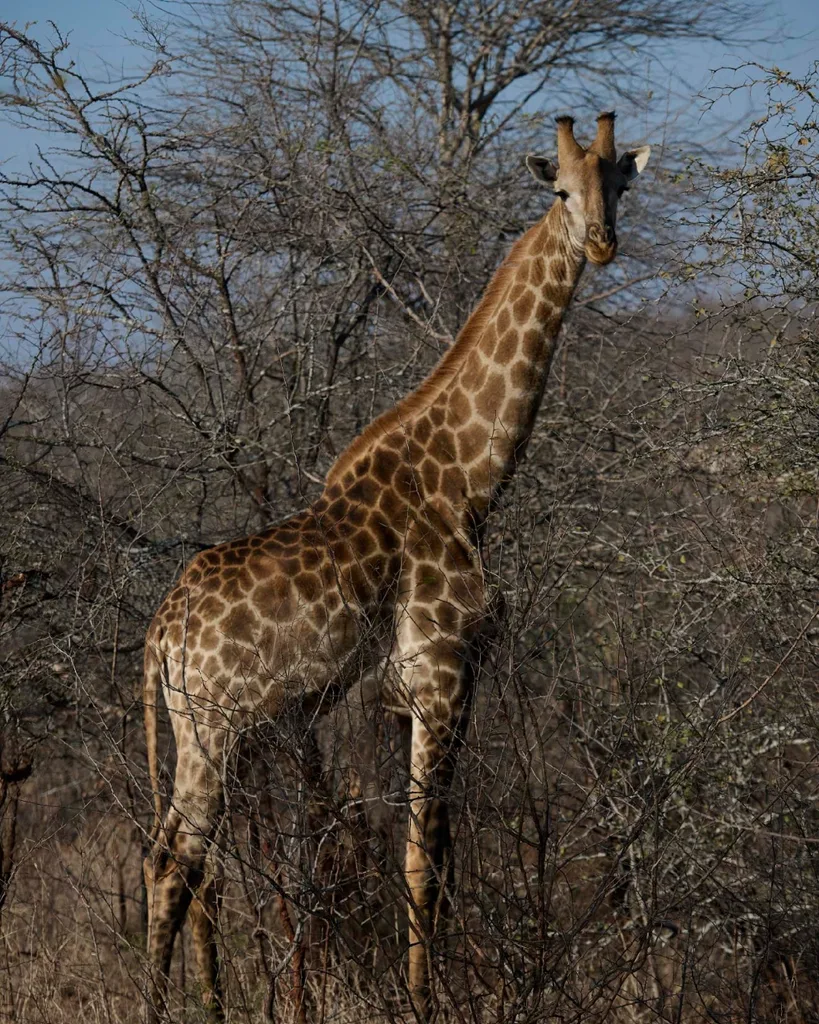
About a 45-minute drive from Joburg is an incredible architecturally designed residence I stayed in called The Kitchen Garden, that has an excellent kitchen to cook in. There’s a huge organic garden off the kitchen, which you just help yourself from, and an organic farmer’s market close by called Jodev. You can buy bread and produce there and they make their own biltong. The property is right next door to the Nirox Sculpture Park, on the banks of the Blaauwbankspruit River. It’s surrounded by farmland, which they’re rewilding, so all the natural grasses are growing back, and now there are giraffes, zebra and springbok roaming around. It’s magical – I was looking out of my bedroom window and a herd of springbok passed by.

Related stories
Native ad body.
Native ad body.

Native ad body.
Why Malta should be your next Mediterranean escape